

Technology Review: Formylation
Formylation is the introduction of a formyl (-CHO) group to organic molecules and is a strategically valuable transformation in fine chemical custom manufacturing. Formylation enables access to high-value aldehyde intermediates that are critical to pharmaceuticals, agrochemicals, and advanced materials. Common industrial methods include the Vilsmeier–Haack reaction, which uses DMF and POCl₃, and the Gattermann–Koch process, which uses CO and HCl with Lewis acid catalysts. Each method is suited to different [...]

Technology Review: Azo Chemistry
Azo chemistry is a true core competence for fine chemical custom manufacturing. The defining N=N group can serve either as a permanent functional group in an active ingredient or as a versatile intermediate that can be used to create aromatic amines, heterocycles, and radical precursors. This dual role allows manufacturers to deliver highly tailored, high-purity products in small batches across pharmaceuticals, agrochemicals, and polymers[1, 2, 3]. In pharmaceuticals, azo chemistry [...]
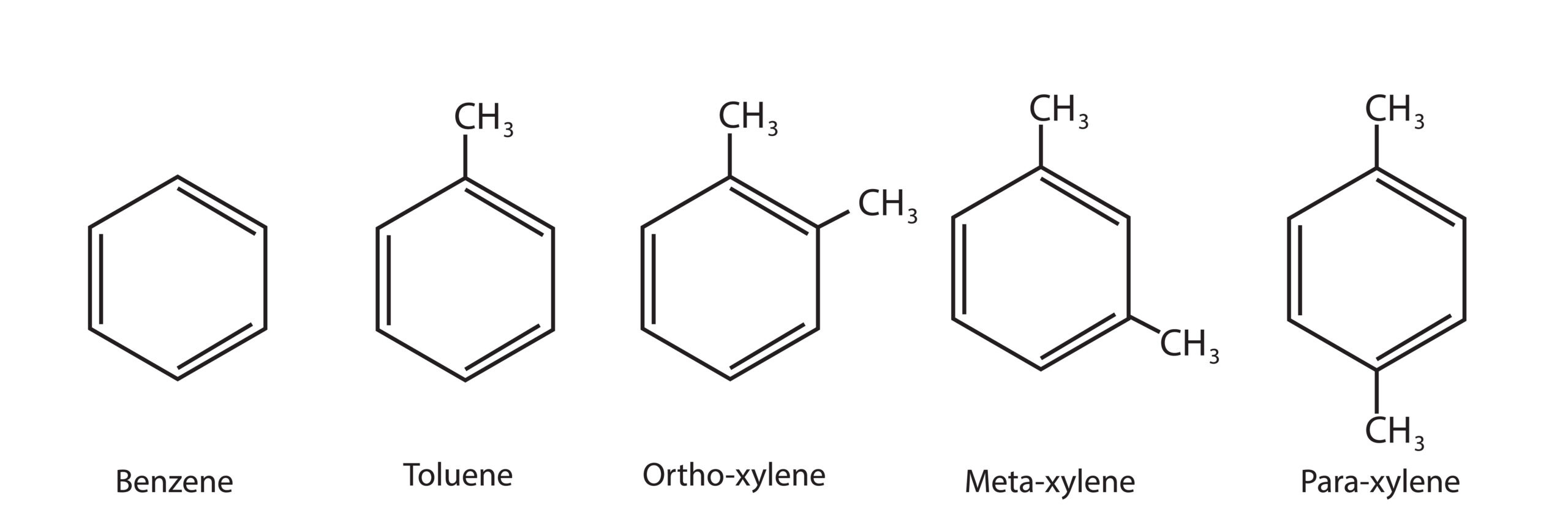
Technology Review: Alkylation
Alkylation is a core competence in fine chemical custom manufacturing because it allows chemists to build molecules with precision while controlling properties that matter in downstream use. In a custom manufacturing setting, customers rarely need a generic material; they need an intermediate with a specific structure, purity, and performance profile that fits into a larger synthesis. Alkylation provides that flexibility by introducing alkyl groups into a target molecule and changing [...]

Technology Review: Grignard Chemistry
Grignard chemistry is one of the quiet engines of fine chemical custom manufacturing because it gives chemists a direct, reliable way to build carbon–carbon bonds. That capability is essential when the target is not a bulk commodity but a highly specific intermediate or active ingredient that must meet tight purity, yield, and scalability requirements[1]. In custom manufacturing, Grignard reagents are valuable because they open short, efficient routes to complex [...]