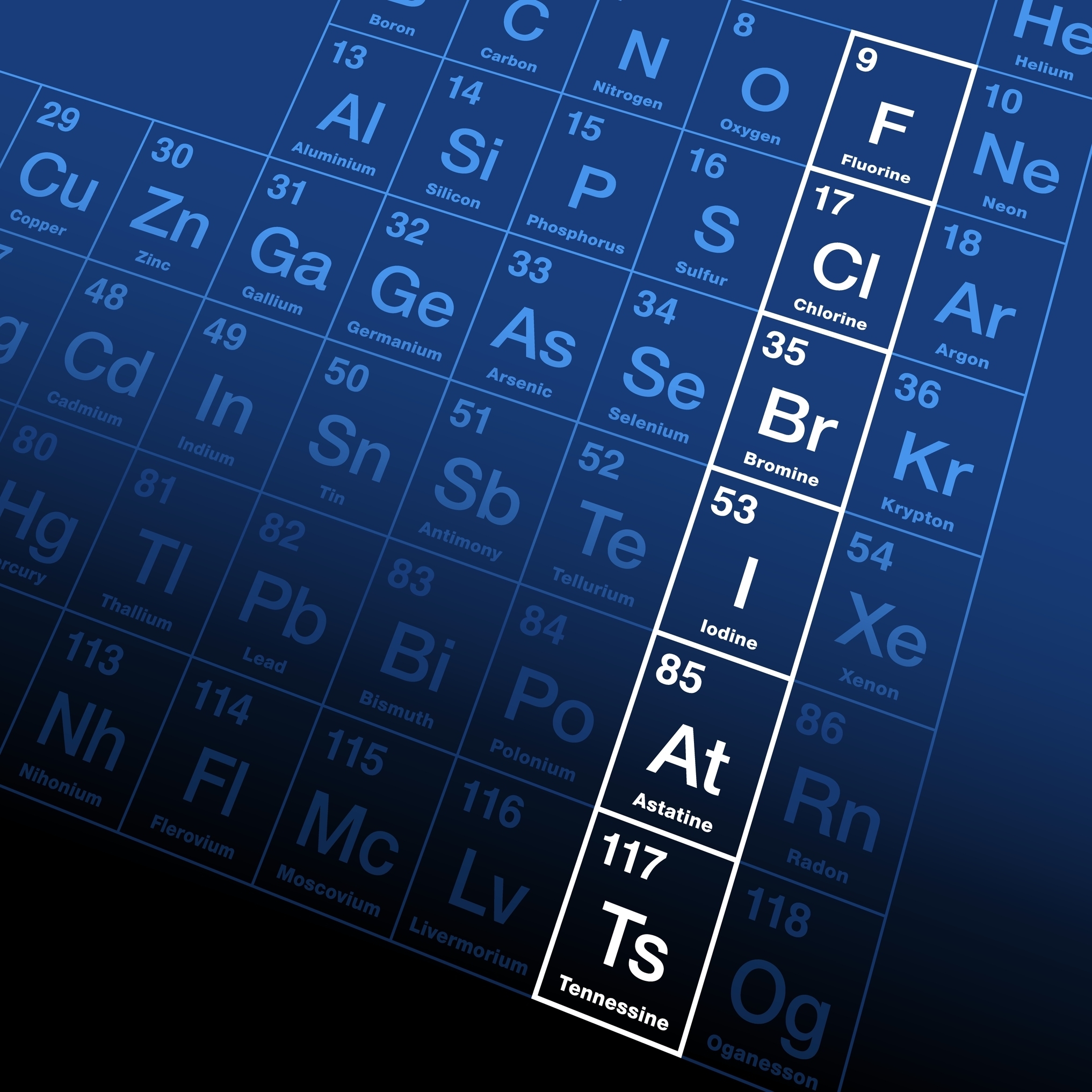
Halogenation is a core competence for fine chemical custom manufacturers owing to halogen being a functional component of finished products as well as reactive entity for subsequent synthesis. Introducing fluorine, chlorine, bromine, or iodine can modify molecular reactivity, polarity, lipophilicity, thermal stability, and biological activity. A manufacturer that performs halogenation safely, selectively, and reliably can support pharmaceutical, agrochemical, electronic, and specialty applications.
In its simplest form, halogenation replaces a hydrogen atom or another functional group with a halogen. In practice, selective aromatic chlorination or bromination, benzylic bromination, electrophilic fluorination, iodination, and conversion of alcohols or acids to halides require different reagents, equipment, containment measures, and purification strategies. A custom manufacturer’s competence is defined not merely by the ability to run a reaction, but by controlling regioselectivity, chemoselectivity, impurity formation, heat release, corrosivity, and waste.
Halogenated intermediates are particularly important in pharmaceutical manufacturing. Aryl chlorides, bromides, and iodides are widely used as coupling partners in palladium-catalyzed reactions, including Suzuki, Buchwald-Hartwig, Negishi, and Sonogashira couplings. These transformations allow medicinal and process chemists to construct complex carbon-carbon and carbon-nitrogen bonds efficiently. Fluorinated building blocks are also common in active pharmaceutical ingredients. Halogenation capabilities are therefore valuable for drug-discovery intermediates, clinical-development materials, advanced intermediates, and commercial API starting materials[1, 2].
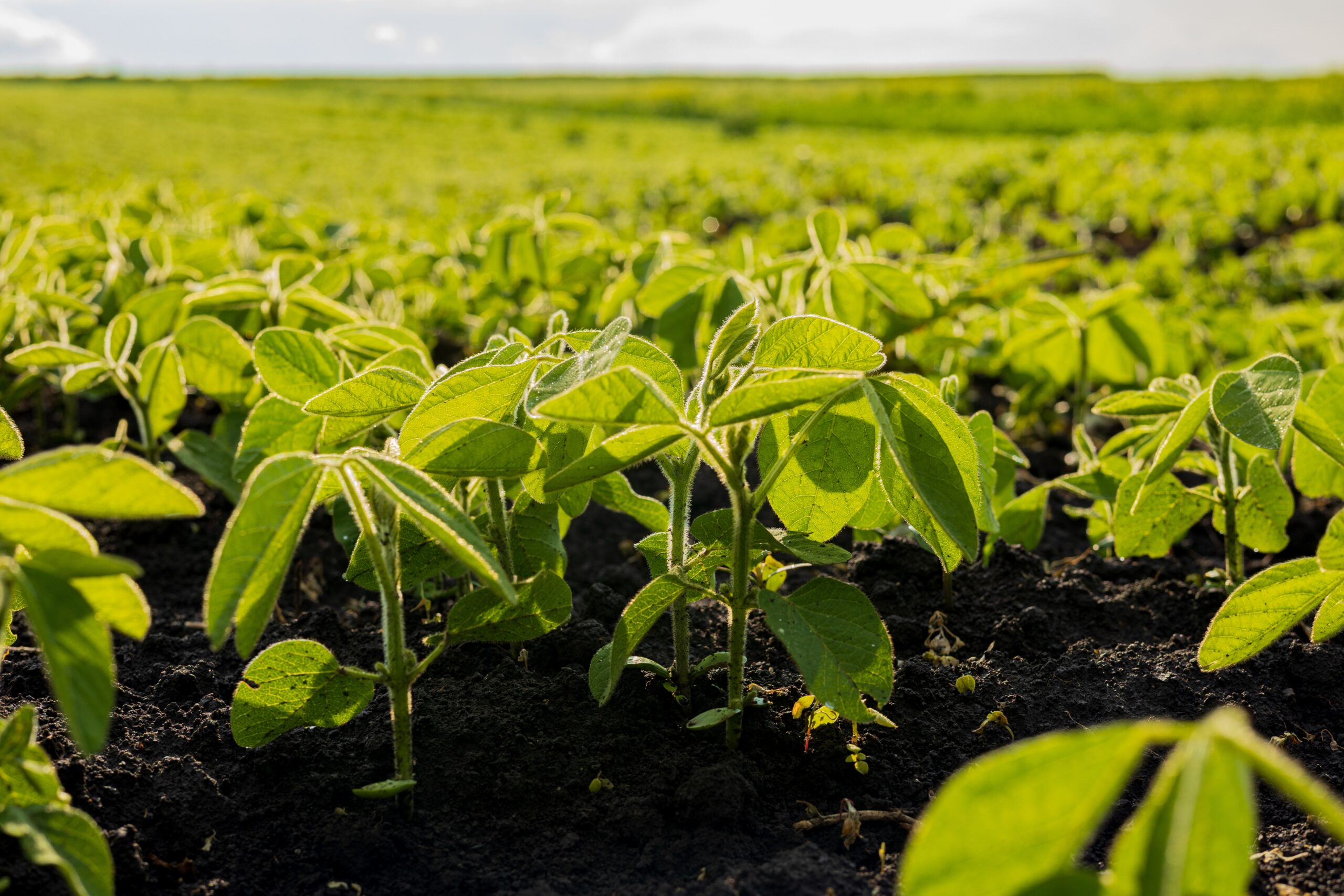
Agrochemicals are another major market. Many herbicides, fungicides, and insecticides contain chlorine, fluorine, bromine, or trifluoromethyl groups. Halogen substitution can influence physicochemical properties such as lipophilicity, as well as efficacy and metabolic stability, during crop protection product design. Custom manufacturers may prepare halogenated pyridines, anilines, benzoic acids, phenols, heterocycles, and aromatic nitriles that become key intermediates for crop-protection active ingredients. The ability to produce these materials at scale, while controlling isomer ratios and trace impurities, is often decisive in meeting customer cost and regulatory requirements[3, 4, 5].
Halogenation also supports electronics and advanced materials. Halogenated aromatics can be used as intermediates for electronic chemicals, photoresist components, liquid crystal materials, dyes, pigments, specialty monomers, and high-performance polymers. Fluorinated intermediates are especially important where low dielectric properties, chemical resistance, low surface energy, or thermal stability are needed. Brominated compounds may be used in selected flame-retardant systems and reactive intermediates, while chlorinated intermediates remain important feedstocks for dyes, pigments, rubber chemicals, and performance additives[7, 8, 9].
Operationally, halogenation differentiates a custom manufacturer because it demands specialized infrastructure. Chlorination and bromination may involve corrosive reagents and significant exotherms, while fluorination can require rigorous reagent handling and careful materials-of-construction selection. Effective off-gas treatment, scrubbers, closed charging systems, corrosion-resistant reactors, calorimetric development, and analytical control are essential. Purification methods must also remove positional isomers, residual reagents, and colored by-products.
For a custom manufacturer, halogenation is not a single reaction class but a platform capability. It links relatively simple aromatic and heterocyclic feedstocks to high-value intermediates for pharmaceuticals, crop protection, electronics, polymers, pigments, and performance chemicals. Companies combining selective chemistry with strong safety, containment, and purification expertise can reliably translate laboratory concepts into commercial supply.
For customers seeking a practical, experienced partner to scale halogenation from lab to pilot to semiworks to full commercial production, Jayhawk Fine Chemicals offers the manufacturing depth and process discipline that make challenging, multi-step synthesis practical. Contact us today to learn more.
Image: Shutterstock
Empowering Customers with Fine Chemical & Custom Manufacturing Solutions