Alkylation is a core competence in fine chemical custom manufacturing because it allows chemists to build molecules with precision while controlling properties that matter in downstream use. In a custom manufacturing setting, customers rarely need a generic material; they need an intermediate with a specific structure, purity, and performance profile that fits into a larger synthesis. Alkylation provides that flexibility by introducing alkyl groups into a target molecule and changing its physical and chemical behavior in a predictable way.
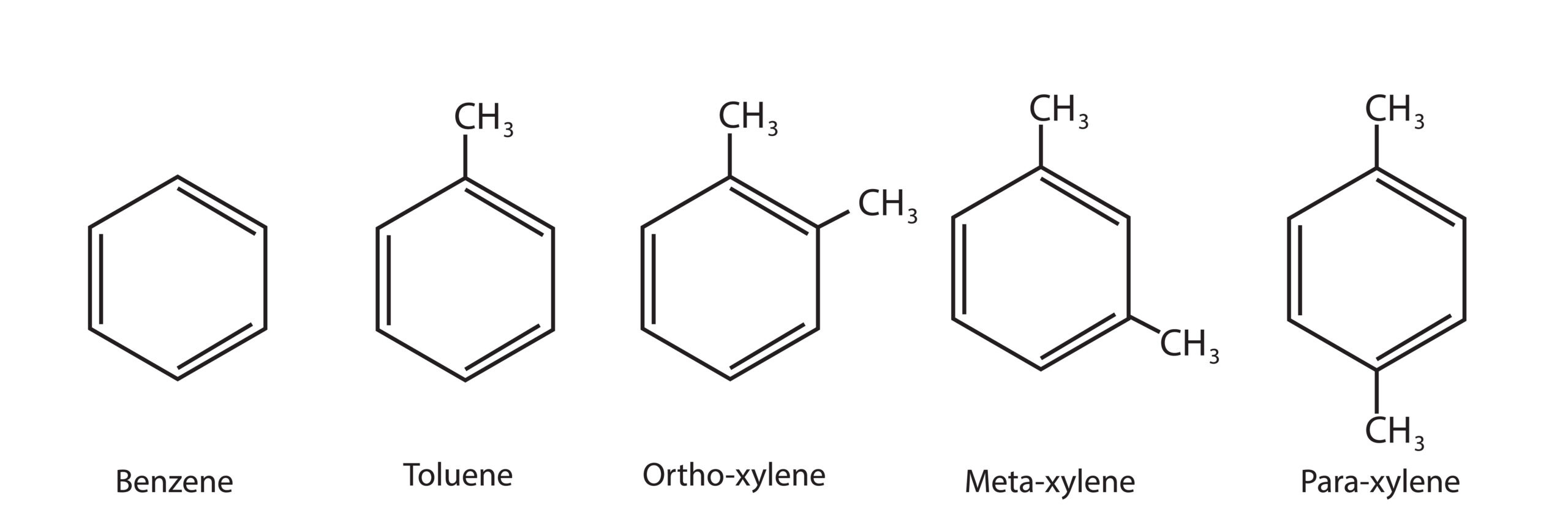
One of the most important forms of alkylation in industrial chemistry is Friedel-Crafts alkylation, which is used to attach alkyl groups to aromatic rings such as benzene, toluene, and xylene. This reaction has long been valuable because aromatic rings are common starting points for many fine chemical and specialty chemical products. By selecting the right catalyst, reactant, and process conditions, manufacturers can make substituted aromatics that serve as key intermediates for later processing. In practice, the ability to manage selectivity is especially important, since aromatic alkylation can produce multiple isomers or side products if the reaction is not carefully controlled.
The value of alkylation goes beyond simply making a new compound. Adding an alkyl group can improve hydrophobicity, adjust boiling point, change solubility, and influence how a molecule behaves in further reactions. These changes may seem subtle, but they are often what make an intermediate suitable for scale-up, purification, or downstream conversion. For fine chemical manufacturers, that means alkylation is not just a single reaction step; it is a route-enabling tool that helps convert relatively simple feedstocks into highly tailored building blocks.
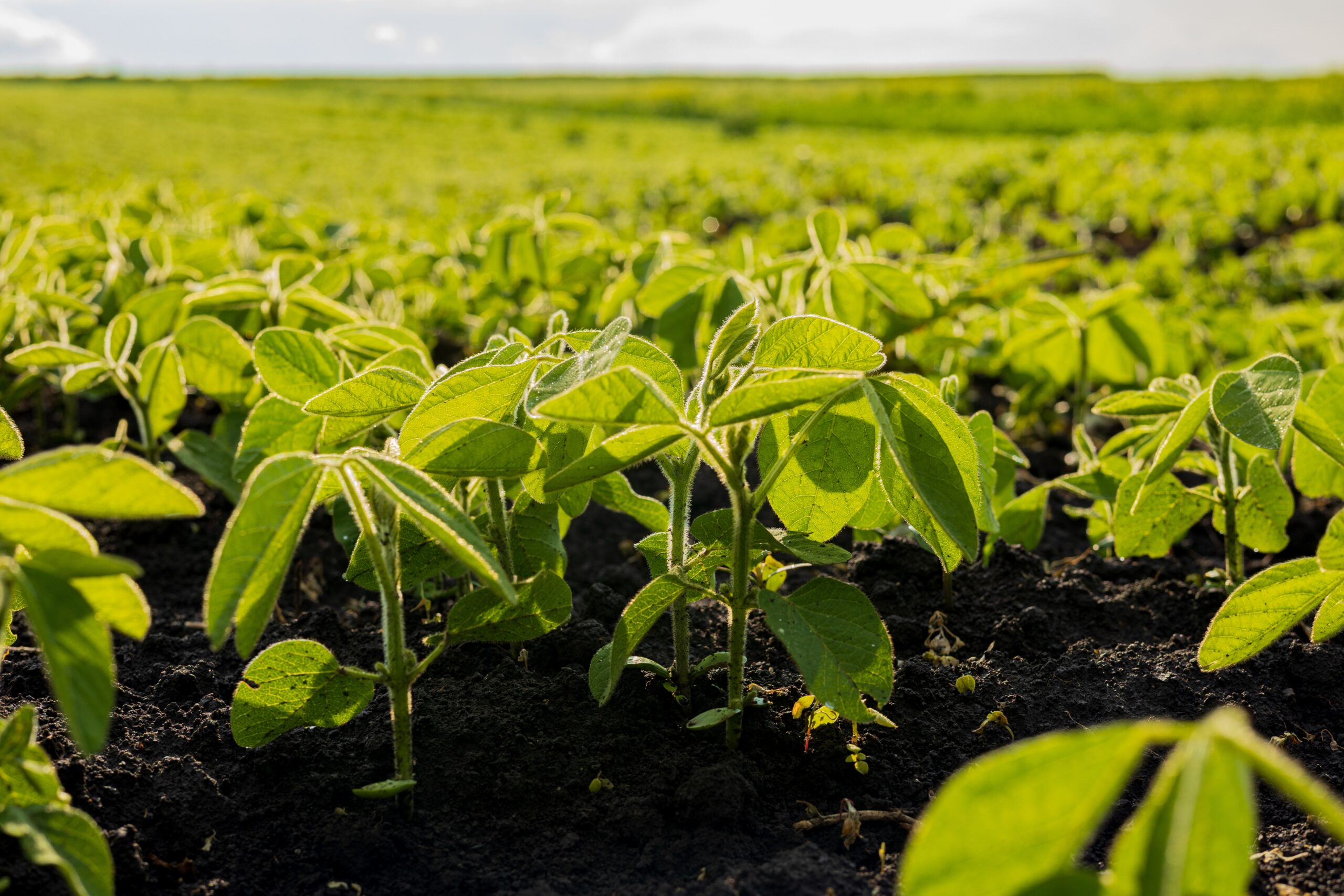
The end applications for alkylation-derived intermediates are broad, and that breadth is one reason the chemistry matters commercially. In agrochemicals, these intermediates are used to make both active ingredients and advanced intermediates that lead to herbicides, insecticides, and fungicides, where molecular structure strongly affects potency, crop selectivity, and environmental stability. In pharmaceuticals, alkylation-derived intermediates support multi-step synthesis by providing substituted aromatic or aliphatic building blocks that help construct more complex molecules; they are not the final drug substance, but they often determine whether a route is efficient, scalable, and commercially viable. Beyond those sectors, alkylation chemistry also supports specialty chemicals such as coatings, surfactants, lubricants, and formulation additives, where molecular architecture influences performance and consistency. That range of applications makes alkylation strategically important for custom manufacturers, because it links process chemistry to multiple end markets while preserving the flexibility needed for customer-specific routes[1, 2, 3, 4, 5, 6, 7, 8, 9].
In short, alkylation is important in fine chemical custom manufacturing because it combines synthetic versatility with commercial relevance. Friedel-Crafts alkylation, in particular, gives manufacturers a practical route to aromatic intermediates that can be directed into agrochemicals, pharmaceutical intermediates, and specialty chemicals. The real strength of the chemistry lies in its ability to create the right molecule for the next step, which is exactly what custom manufacturing is meant to do[2, 4].
For customers seeking a practical, experienced partner to scale alkylation chemistry from lab to pilot to semiworks to full commercial production, Jayhawk Fine Chemicals offers the manufacturing depth and process discipline that make challenging, multi-step synthesis practical. Contact us today to learn more.
Image: Shutterstock
Empowering Customers with Fine Chemical & Custom Manufacturing Solutions